
Restoration of Casino Notabile, Mdina
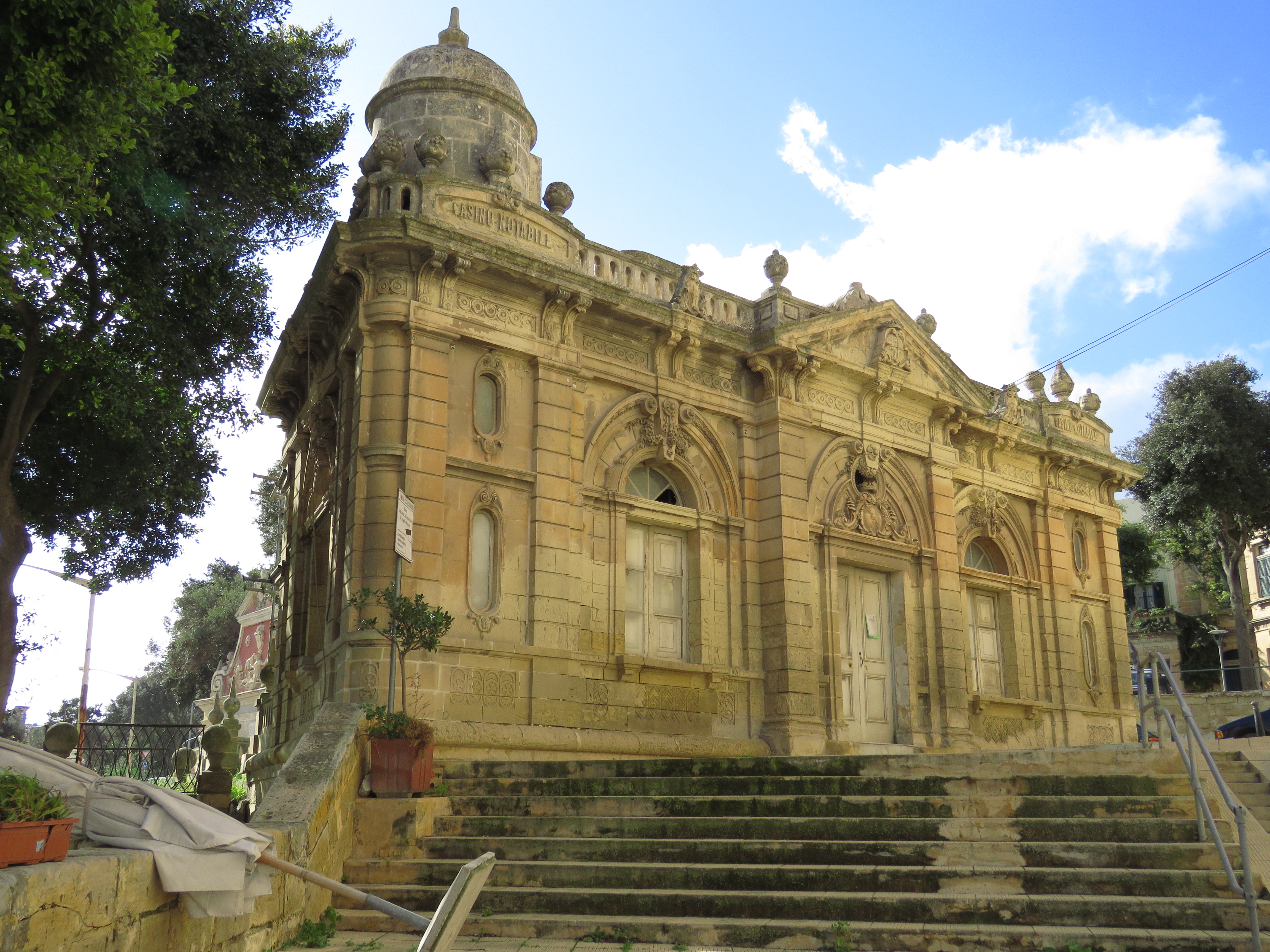
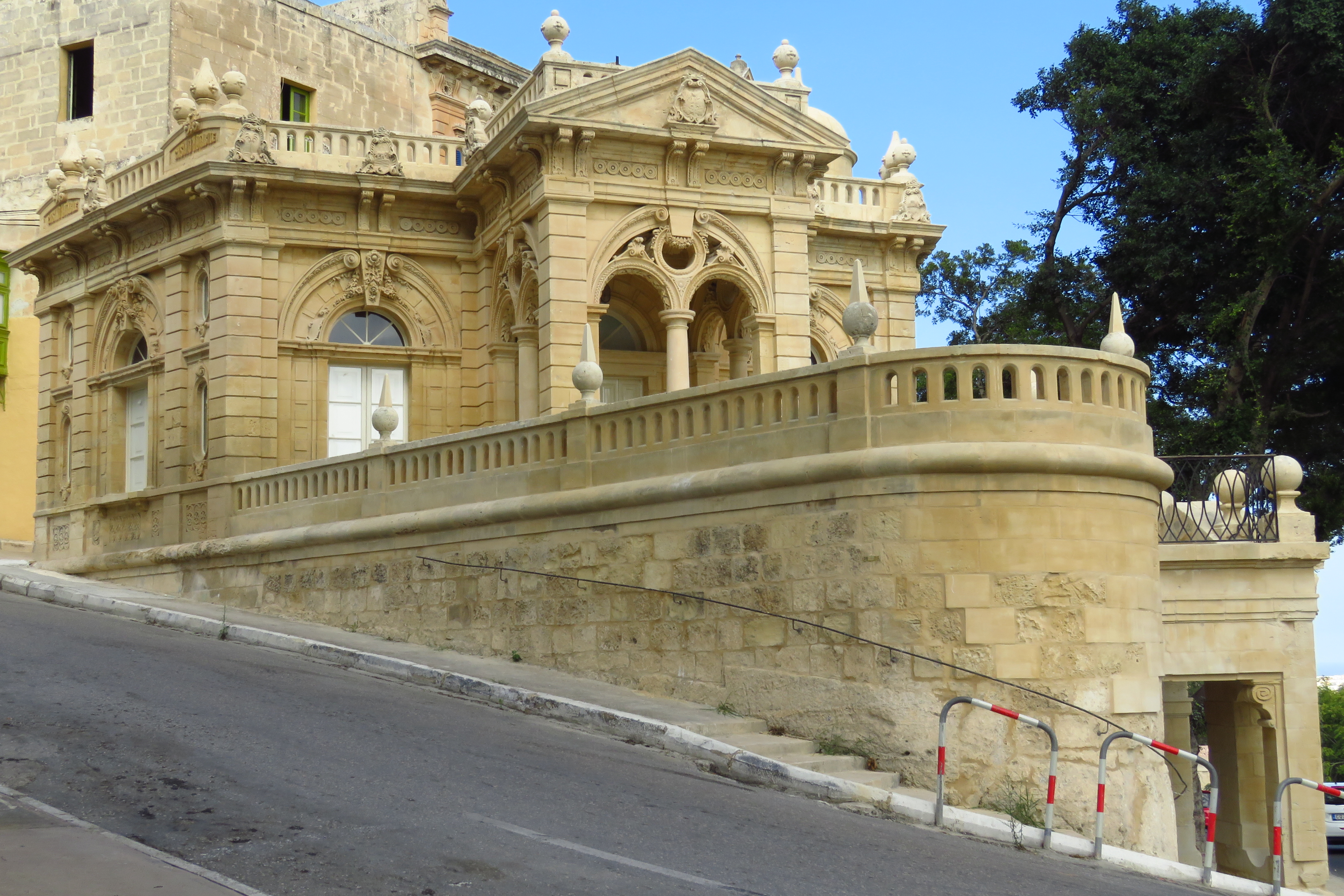
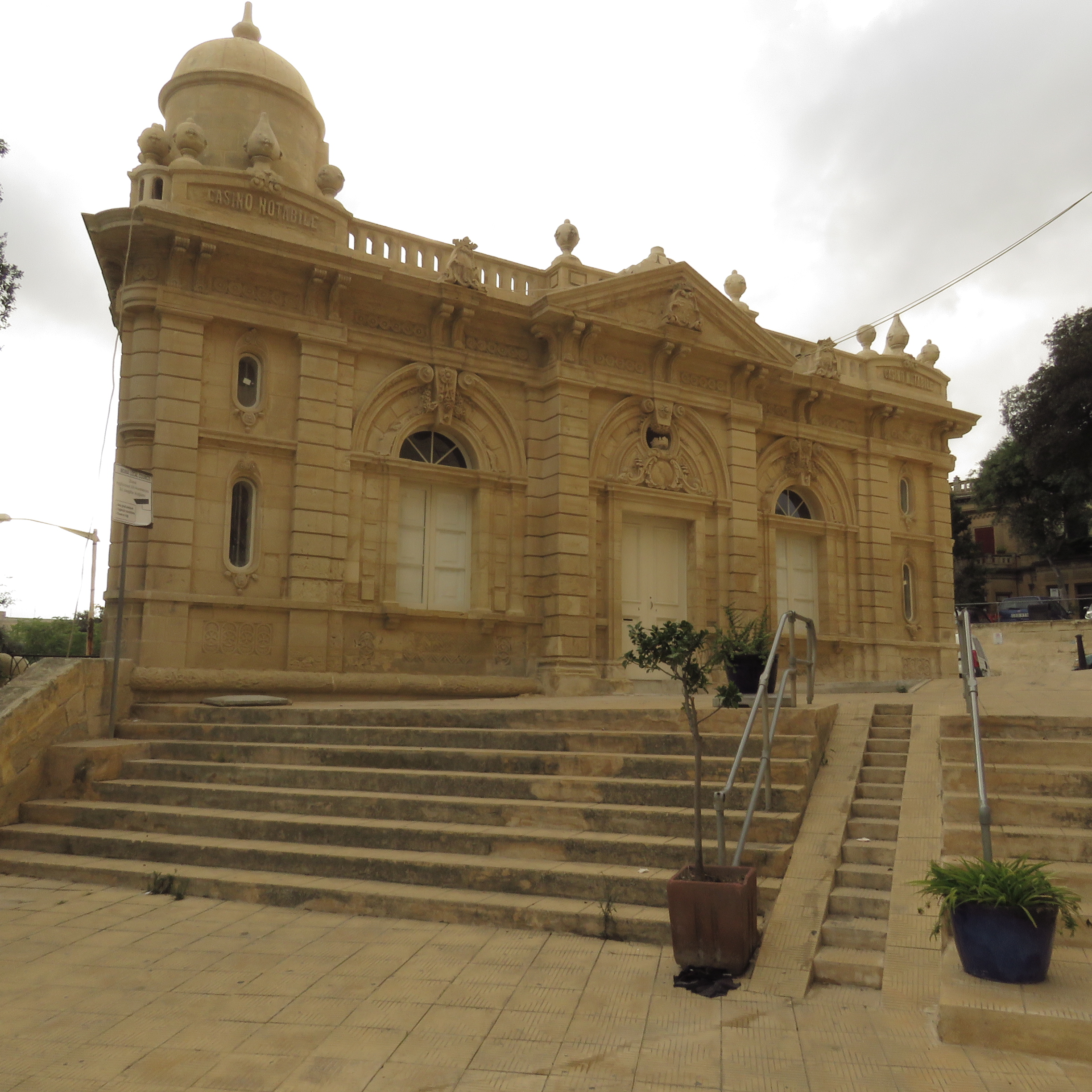
Casino Notabile, one of Malta’s most distinguished social clubs, stands prominently overlooking the famous Saqqajja area between Rabat and Mdina. Built in an elegant neo-classical style, the club was established during a period when social life among Malta’s professional and middle classes was still largely focused around private homes, village band clubs and taverns.
In 1886, a group of prominent individuals desired to create a refined meeting place where members could gather socially and intellectually. 1 An application to build the club was submitted to the colonial government on 7 August 1886, and permission was granted shortly afterwards by Chief Secretary Walter Hely Hutchinson. The plans for the building were prepared by architect Webster Paulson (1837-1887), one of Malta’s most respected architects of the period.
Public Notary Francesco Saverio Camilleri prepared the contract in accordance with a number of previously agreed conditions. On 29 December 1886, Dr George Cousin and the Collegiate Canon Dr. Dun Vincenzo Vassallo were present for its signing. 2 The agreement established a 99-year emphyteusis with an annual ground rent of one pound and ten shillings, payable in two equal instalments: one on 1 January, and the other in July. 3
The society was officially founded on 14 August 1888. Among its first officials was Baron G. Gourgion de Piro of Budaq as president. The inauguration of the Casino took place on 16 August 1888 and was attended by distinguished guests, members of the colonial administration and military representatives. 4 The ceremony was officially inaugurated by Governor Sir Lintorn Simmons, while a Guard of Honour from the Essex regiment and military bands added further prestige to the occasion.
The celebrations featured performances of classical music, including works by Handel, Beethoven, Wagner, Boito, and Rossini. Guests gathered on the terrace and within the richly decorated halls of the club, enjoying panoramic views over the surrounding countryside and the historic cities of Rabat and Mdina. The walls of the halls were adorned with painted portraits of the Grandmasters of the Order of St. John. During the celebrations a marble bust of Governor Simmons, sculpted by the Sicilian artist Giuseppe Valenti, also known for creating Queen Victoria’s monument in Valletta, was ceremonially unveiled.
Surrounded at the time by open countryside and trees, Casino Notabile quickly became one of Malta’s most prestigious social and cultural venues. Beyond its architectural value, the building remains an important symbol of late nineteenth-century Maltese society and the island’s developing cultural life during the British colonial period.
In 1988, the club commemorated its centenary with a special programme of events, including a formal dinner dance held on 13 August, celebrating one hundred years of the Casino’s history and contribution to Maltese social life. 5 Following these activities, restoration of the building was also carried out by students from the Gilormu Cassar School of Masonry and Restoration, under the direction of Mr. Paul Cassar. 6 7
The Casino was administered by a general council composed of up to seven members, four of whom were shareholders elected every two years during a general meeting. In 1994, following the expiration of the emphyteusis agreement, ownership of the building reverted to the Government. In 2005, Casino Notabile was transferred to the Mdina Local Council.8
Restoration works.
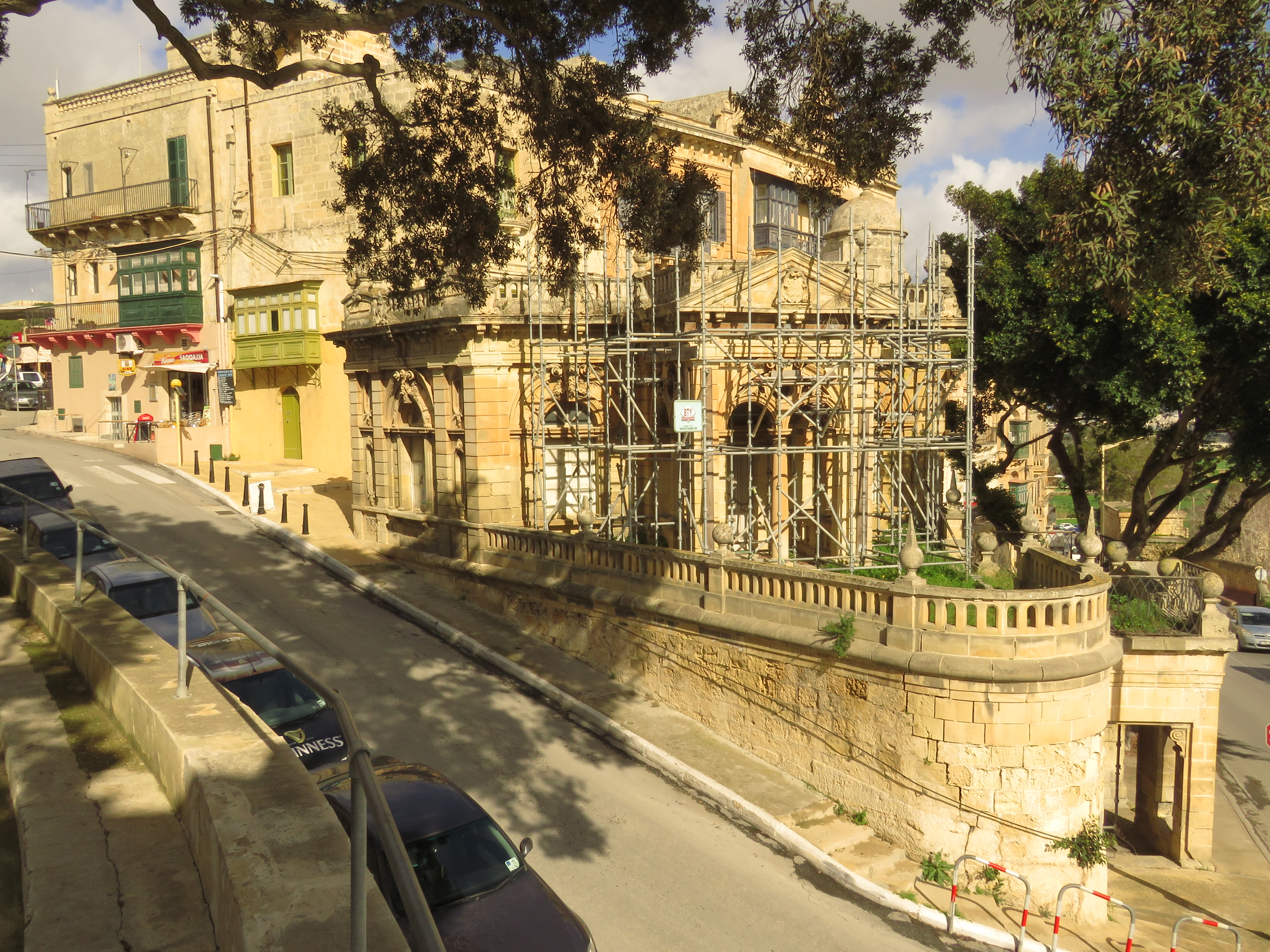
The works carried out on this historic building were both structural and restorative in nature. Structural interventions included the introduction of piles into the foundations and the tying together of these piles to strengthen and stabilise the building’s substructure. In addition to the consolidation of the building and the construction of a new roof, extensive cleaning and restoration of the stonework were undertaken both internally and externally. The project also included the replacement of severely deteriorated construction and decorative elements. The main works, partly funded by the European Regional Development Fund (ERDF) and carried out under the supervision of the Preservation and Restoration Department (then the Restoration Directorate), took place in 2016/2017, while maintenance works were carried out in 2024.
References:
- Galea J., “Casino Notabile: A Centenary” in The Sunday Times, 31 July 1988.
- Notarial Archives Foundation, Notary Francesco Savior Camilleri, Vol. 156, 1886, p.1574.
- ibid, p.1570.
- Galea J., 31 July 1988.
- Mdina Cathedral Archives, Casino Notabile, General Circular, 26 July 1988, cited in Matthew Gauci, Casino Notabile: It Was Meant to Be Exclusive (unpublished Bachelor’s dissertation, 2009).
- Gauci, M. Casino Notabile: it was meant to be exclusive (unpublished Bachelor’s dissertation, 2009).
- The Times, 19th February 1991- “Casino Notabile being restored”.
- The Malta Independent. (2005, May 26). The People’s property. Retrieved July 3, 2026.